
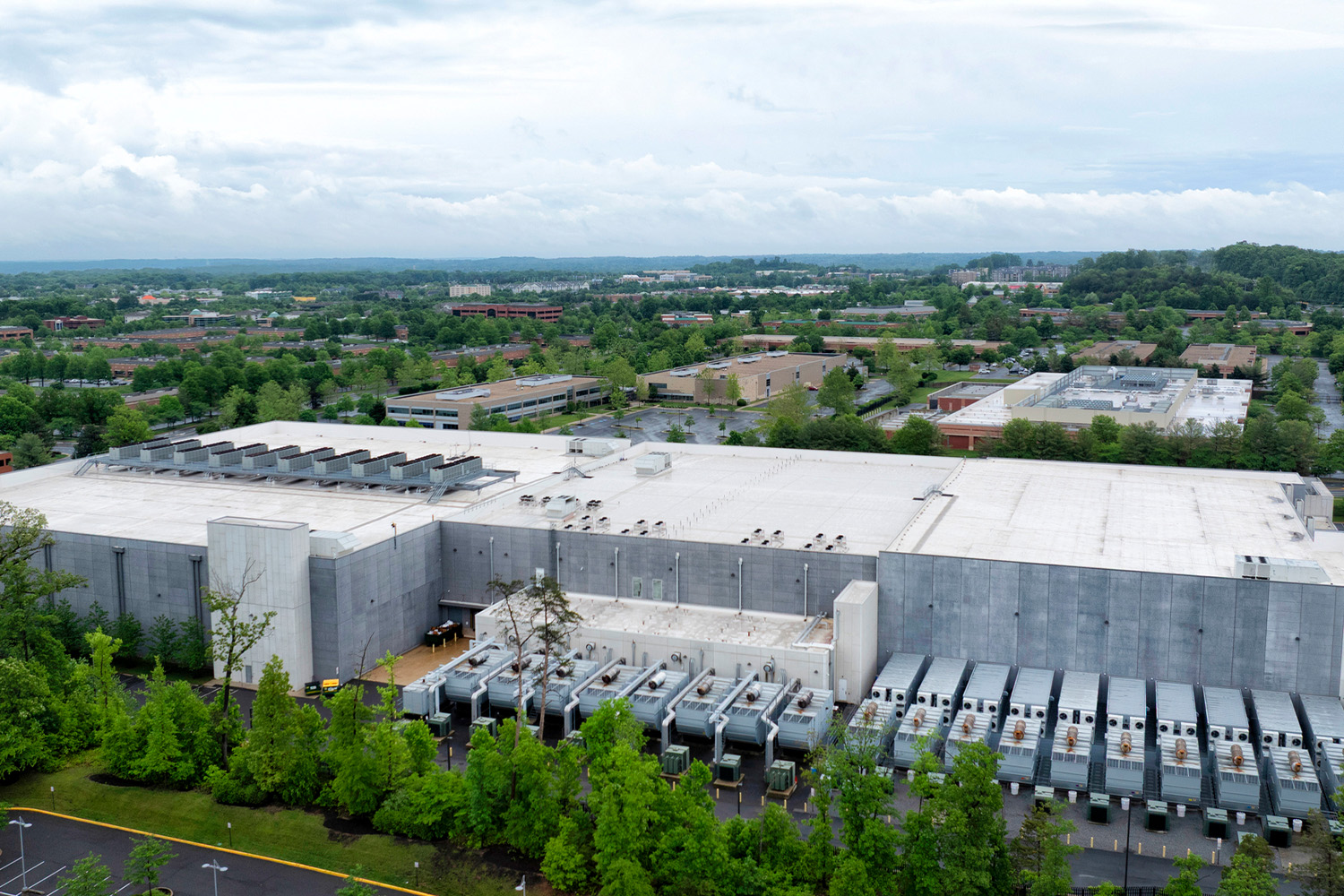
Data Center Roofing work starts with verified roof conditions, clear repair limits, and a practical decision path for the building owner.
Data Center Roofing roof scope
Little Rock holds a position in the national telecommunications and enterprise data center map that reflects Arkansas's importance as a regional hub for communications, government services, and retail. Windstream Communications, one of the country's largest competitive local exchange carriers, is headquartered in Little Rock, a fact that places significant network infrastructure and computing operations within the metro area. The Arkansas Department of Information Systems manages consolidated state government data center facilities that serve agencies across the state. Dillard's Department Stores, with its corporate headquarters and significant IT operations in Little Rock, operates data center infrastructure supporting one of the nation's largest specialty retail chains. These facilities are central to a commercial roofing market for mission-critical data environments that demands expertise matched to the severity of the Arkansas climate.
Little Rock sits in a humid subtropical climate zone, receiving approximately 52 inches of annual rainfall. The city occupies a weather transition zone between the Gulf moisture-influenced Deep South and the tornado-active central plains, creating a threat environment that includes severe thunderstorms, significant tornado risk during the spring season, ice storms in winter, and tropical moisture infiltration during late summer and fall. The Arkansas River valley geography can funnel and intensify wind events, and tornado tracks through Pulaski County are documented with regularity. Average summer temperatures exceed 93°F with humidity that pushes heat index values above 105°F, while winter lows can reach the teens with ice storm events that deposit significant radial ice accumulation on flat commercial roofs.
Windstream Communications' Little Rock infrastructure, supporting the carrier's operational systems, network management, and customer service technology, operates as a mission-critical telecommunications environment where roofing failure has potential regulatory and service continuity implications. Carrier facilities are subject to FCC service continuity expectations and, for wireline services, reliability standards that implicate the physical plant. Our approach to telecommunications infrastructure roofing in Little Rock begins with understanding the operational consequence of moisture intrusion in each area of the facility. Cable distribution frames, battery backup systems, and digital switching equipment have different moisture sensitivity profiles, and the roofing specification above each zone should reflect the consequence of failure in that specific area.
The Arkansas Department of Information Systems' data center facilities support critical state services including tax processing, motor vehicle licensing, healthcare exchange operations, and public safety systems. State government data centers are increasingly subject to CJIS, HIPAA, and FedRAMP requirements depending on the data they process, creating compliance frameworks that extend to physical plant risk management. A formal roof condition assessment with documented findings and a prioritized remediation plan provides the audit trail that state government facility managers need to satisfy agency risk management requirements. Our assessment reports are structured to meet the documentation standards that state and federal audit requirements typically specify, not just to communicate technical roofing findings.
Dillard's corporate data center infrastructure in Little Rock supports retail inventory management, financial transaction processing, and supply chain coordination for a multi-billion-dollar retail enterprise. Retail data centers face a seasonal vulnerability that mirrors the Dillard's business cycle: the critical November-through-January holiday shopping period, which is also Little Rock's primary ice storm window. An ice storm that disrupts roofing integrity during the week before Thanksgiving creates maximum operational risk for minimum opportunity for planned repair. Our preventive maintenance protocols for retail data centers in Little Rock include a mandatory pre-winter inspection by October 31 each year, with any identified deficiencies repaired before the first significant winter weather event rather than deferred to spring.
Tornado and straight-line wind design for Little Rock data center roofs must reflect the actual statistical risk environment of central Arkansas. ASCE 7-22 wind speed maps assign Little Rock wind design values that account for its position in a high-tornado-frequency zone. While a direct tornado strike is a low-probability event, the peripheral and straight-line wind events associated with the same supercell thunderstorm systems that generate tornadoes create realistic 80 to 100 mph gust scenarios with meaningful frequency. FM Global 1-90 rated assemblies with enhanced perimeter and corner zone fastening are the appropriate minimum standard for mission-critical data center facilities in the Little Rock market. Edge metal attachment must be mechanically fastened at the code-required frequency for the applicable wind zone, not relying solely on adhesive or sealant at high-wind-pressure locations.
Hail damage is a recurring roofing maintenance expense for Little Rock commercial buildings. The city sits within a high-hail-frequency corridor that extends through central Arkansas and into the Ozark foothills to the north. Standard 45-mil or 60-mil TPO membranes can be dimpled or cracked by 1-inch-diameter hailstones, which occur multiple times per year in significant thunderstorm seasons. For data center operators who cannot afford the operational disruption of a hail damage response, specifying a 80-mil reinforced or hail-resistant membrane at initial installation or re-roofing provides substantially greater protection and reduces the frequency of emergency repair events. Our specifications for Little Rock data centers default to 80-mil membranes for this reason.
Planning Questions
What decides the right data center roofing path?
The roof assembly, leak history, drainage, access, rooftop equipment, and operating risk below the roof all shape the recommendation.
Can work be phased around occupied spaces?
Yes. The scope should identify tenant-sensitive areas, daily dry-in expectations, access routes, and weather limits before production starts.
What documentation should ownership expect?
Photo records, repair notes, roof-area observations, product information when applicable, and a clear summary of remaining roof risks.