
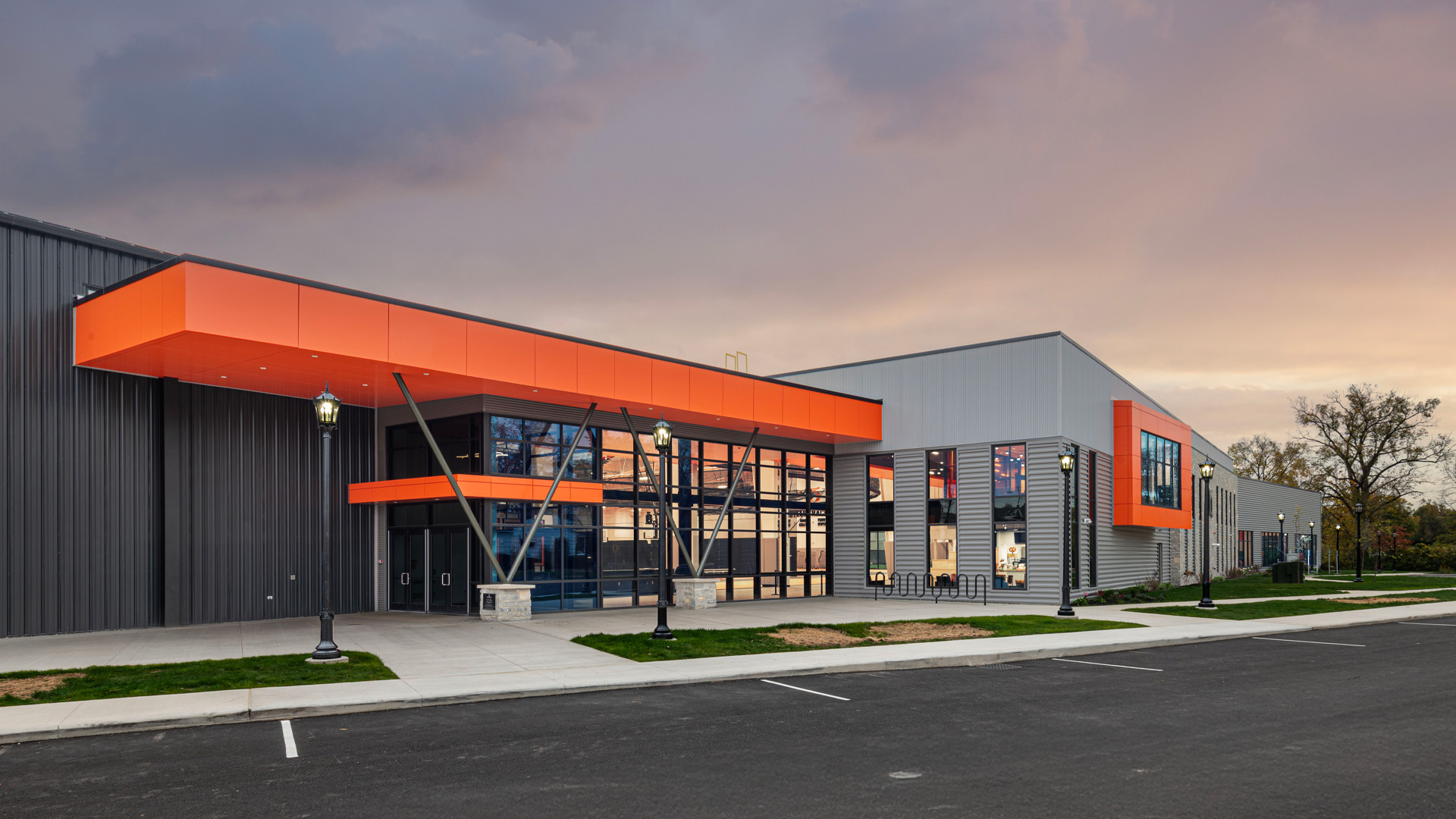
Mixed-Use Development Roofing work starts with verified roof conditions, clear repair limits, and a practical decision path for the building owner.
Mixed-Use Development Roofing roof scope
A mixed-use building is really several buildings stacked on top of each other, and the roofing scope has to respect that. Ground-floor retail or restaurant space, residential units or office floors above, a parking podium worked into the base, sometimes an amenity deck on top, all of it sharing one envelope. Little Rock has been building exactly this kind of project for years now, from the apartment-over-retail blocks reshaping downtown around the River Market District and South Main, to the Argenta district across the river in North Little Rock, to the live-work-shop developments out in West Little Rock near Chenal and the Promenade. Each of those uses keeps a different schedule, carries different rooftop loads, and answers to a different warranty, and a roof that ignores those differences is a roof that leaks into someone's apartment within a few seasons.
What makes this work demanding is not the size of any one roof area. It is the seams between them: the line where a low-slope membrane over the retail wing meets the waterproofed deck under an occupied courtyard, the parapet shared between residential and a mechanical penthouse, the warranty boundary where one manufacturer's system stops and another's begins. We map those boundaries first, then build a scope that keeps water out of every one of them.
The most expensive mistake on a Little Rock mixed-use project is treating a podium or plaza deck like a standard flat roof. The deck between grade-level parking or retail and the residential or office space above is occupied: people walk on it, sometimes drive on it, often there are planters and landscaping sitting in it. That calls for a traffic-bearing waterproofing assembly, with drainage composite, root barrier where there is greenery, and a membrane rated for hydrostatic pressure and structural deflection, not a roofing membrane meant for sloped drainage and the occasional maintenance crew. Put a standard roof system under a plaza and it typically fails inside five years, and the failure is buried under finished hardscape that has to come up to reach it. We specify podium decks as the waterproofing systems they are and coordinate the assembly with the structural engineer's load path.
Up on the residential or office levels, the conditions shift again. Parapet drainage has to be sized for the combined area shedding to it, mechanical penthouses and elevator overruns need clean flash-through details, and any rooftop amenity space, a common feature on the newer mid-rise projects here, needs its own traffic-bearing assembly under the finish surface. The retail wing at grade is usually a more conventional low-slope membrane, but it carries the restaurant exhaust, grease, and rooftop units that come with ground-floor food and beverage tenants. One building, three or four genuinely different roofing problems, and they all have to drain and terminate into each other without a gap.
This is where mixed-use projects quietly go wrong. The retail membrane, the podium waterproofing, the amenity deck, and the metal at the penthouses may each carry separate warranties from separate manufacturers, and at every transition there is a question of whose warranty owns the joint. We sort that out in pre-construction: which systems tie together, where the responsibility lines fall, and how each transition gets detailed so no manufacturer can disclaim it later. A developer or condo board chasing a leak two years on should never get caught between two warranties that each point at the other. We document the interfaces so the coverage actually holds.
Most mixed-use roofing in Little Rock happens over a building that is already lived in and shopped in. That means phasing, noise and dust control, and coordinated access around ground-floor business hours and residential quiet expectations. Downtown projects also have to mind the realities of the urban core, tight staging, shared loading, and work at height over public sidewalks. We plan staging and crane picks with building management, notify affected tenants and residents before disruptive phases, and dry in every work area before the day ends. We do not pull the crew off a roof at night unless that section is watertight, because the people underneath are home.
On a mixed-use job we are coordinating with the general contractor, the MEP trades, the structural engineer, and often a building envelope consultant at the same time. We work inside the submittal process, build mock-ups where the architect requires them for the waterproofing assemblies, support the testing protocols owners specify, and register the warranties cleanly at closeout. The deliverable is a single coherent envelope across uses that all parties can stand behind.
Planning Questions
What decides the right mixed-use development roofing path?
The roof assembly, leak history, drainage, access, rooftop equipment, and operating risk below the roof all shape the recommendation.
Can work be phased around occupied spaces?
Yes. The scope should identify tenant-sensitive areas, daily dry-in expectations, access routes, and weather limits before production starts.
What documentation should ownership expect?
Photo records, repair notes, roof-area observations, product information when applicable, and a clear summary of remaining roof risks.