
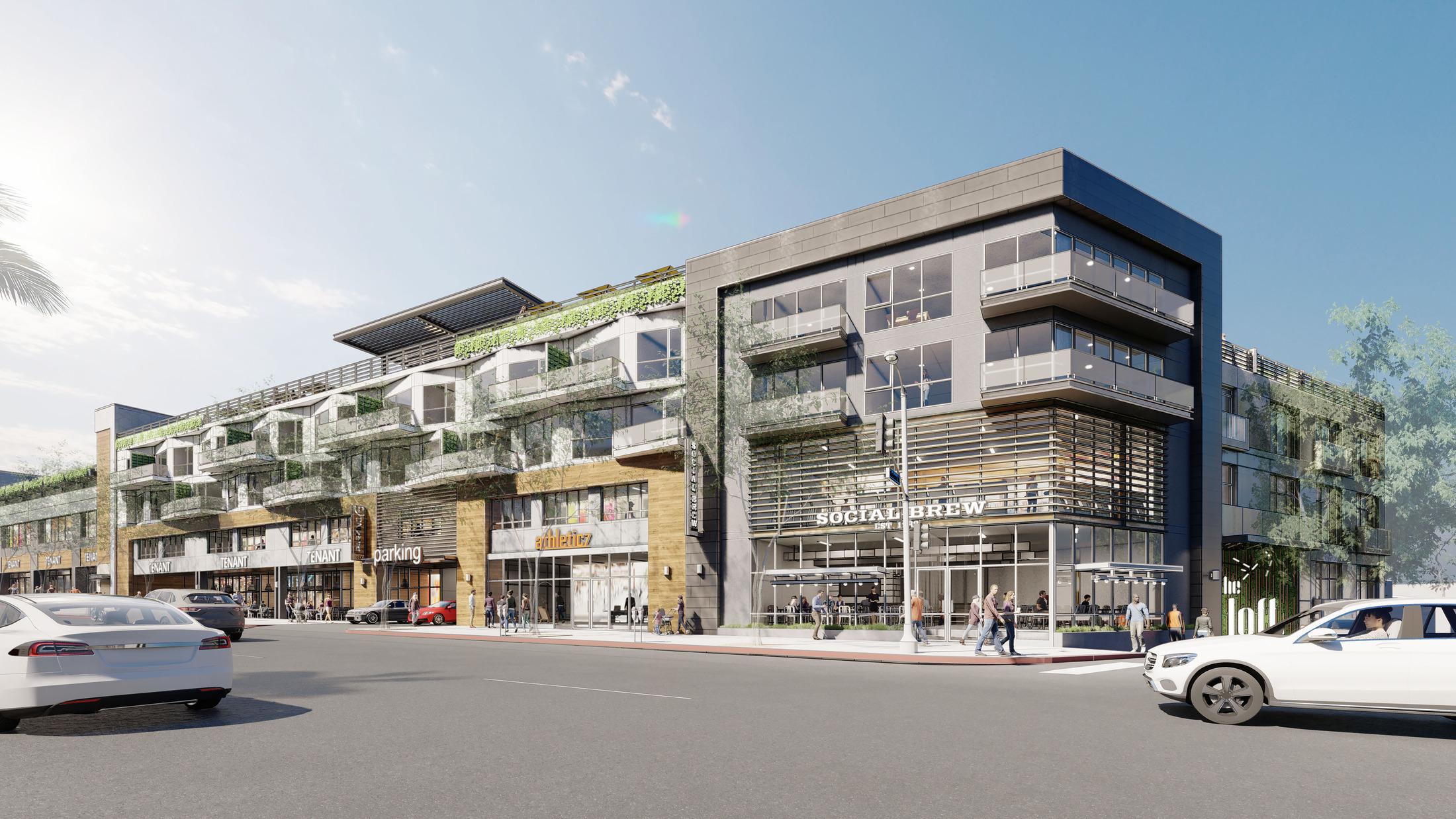
Mixed-Use Development Roofing work starts with verified roof conditions, clear repair limits, and a practical decision path for the building owner.
Mixed-Use Development Roofing roof scope
Arkansas weather imposes demands on mixed-use roofing that go beyond simple precipitation management. Little Rock sits in the heart of Dixie Alley, the southern extension of tornado country that produces some of the most intense severe weather in the United States, with significant hail events, straight-line wind damage, and tornado risk that persists across the spring and fall transition seasons. The city also experiences winter ice storm events that have historically caused significant structural and envelope damage across the Arkansas River valley. Mixed-use building roofs in Little Rock must be specified for wind uplift resistance consistent with the city's design wind speed, with FM or UL listed assembly numbers documented at permit submission to satisfy Pulaski County's building code enforcement requirements.
Waterproofing at the podium-deck level on Little Rock mixed-use buildings faces a specific challenge from the city's position in the Mississippi Embayment, where expansive clay soils create differential foundation movement that transmits into the structure above. Buildings in the SoMa district and along the River Market waterfront have experienced minor structural movement that opens construction joints and creates pathways for water infiltration at deck-to-wall connections. We specify waterproofing systems with crack-bridging capability, either fluid-applied membranes with high elongation or reinforced sheet systems with a crack-bridging layer at construction joints, and we assess the building's structural movement tolerance with the project engineer before finalizing the waterproofing specification.
Green roofs on Little Rock mixed-use buildings have received support from the Arkansas Department of Environmental Quality's nonpoint source pollution reduction programs and from Little Rock's integrated stormwater management plan, which identifies green infrastructure as a preferred approach to combined sewer overflow reduction in the older downtown collection system. Buildings in the River Market and SoMa districts that incorporate vegetated roof assemblies can satisfy post-construction stormwater requirements with reduced engineered detention infrastructure. We specify growing media and plant palettes calibrated for Arkansas's climate, hot and humid summers, ice storm winters, and spring severe weather that brings both high winds and intense rainfall within the same event sequence.
Rooftop amenity decks on Little Rock mixed-use buildings have been slower to develop than in larger metropolitan markets, but projects in the Heights and Hillcrest neighborhoods and along the River Market are beginning to incorporate resident terraces and rooftop entertainment spaces that take advantage of Arkansas River views and the downtown skyline backdrop. These spaces require wind-resistant pedestal paver systems, structural coordination for furniture and equipment loads, and drainage designs that can handle the intense rainfall that Little Rock's severe weather produces. We design amenity deck drainage with the same engineering rigor as the primary roof drainage system, not as an afterthought handled with a few drain holes through the pedestal paver layer.
Multi-level rooflines on Little Rock mixed-use buildings often reflect the city's hillside topography in the Heights and Hillcrest neighborhoods, where parcels slope significantly and buildings step up or down with the grade. These grade changes create complex roofline geometry, lower terraces, retaining wall intersections, and buried wall conditions where the roof membrane must transition to below-grade waterproofing without a clear demarcation that field crews can consistently execute. We specify the complete envelope transition at these conditions before construction begins, using pre-manufactured transition accessories rather than field-fabricated details that vary with each crew and each day, and we require mockup construction at grade-transition conditions on projects where the architectural drawings show more than two such locations.
Fire-rated roof-ceiling assemblies on Little Rock mixed-use buildings follow Arkansas's adoption of the IBC with amendments, and the city's building department has prioritized mixed-use fire protection review following fire incidents in other Southern markets that have made insurance carriers more cautious about coverage for un-sprinklered or inadequately separated mixed occupancies. We work from tested assembly numbers and provide complete fire-protection documentation packages that include the assembly number, the tested hourly rating, and the conditions of listing that specify insulation type, thickness, and deck substrate, because insurers have begun requesting this documentation at policy renewal as well as at initial coverage.
Sound isolation in Little Rock mixed-use buildings is shaped by the entertainment culture of the River Market District, where live music venues, comedy clubs, and restaurant bars occupy ground floors beneath residential units. The bass frequency energy generated by live performance or amplified music is the hardest sound to control because it travels through structural elements rather than air gaps, making the roof-ceiling assembly's mass and isolation characteristics important even when the primary sound control investment is at the floor-ceiling level. We specify rooftop HVAC curb isolators with spring deflection ratings appropriate to the equipment weight and vibration frequency, and we coordinate with the acoustic engineer on projects where live performance venues are documented as ground-floor tenants during the design phase.
Planning Questions
What decides the right mixed-use development roofing path?
The roof assembly, leak history, drainage, access, rooftop equipment, and operating risk below the roof all shape the recommendation.
Can work be phased around occupied spaces?
Yes. The scope should identify tenant-sensitive areas, daily dry-in expectations, access routes, and weather limits before production starts.
What documentation should ownership expect?
Photo records, repair notes, roof-area observations, product information when applicable, and a clear summary of remaining roof risks.