Restaurant and Food Service Building Roofing work starts with verified roof conditions, clear repair limits, and a practical decision path for the building owner.
Restaurant and Food Service Building Roofing roof scope
Chili's Grill & Bar has operated multiple locations in Little Rock for years, and the brand's standard restaurant footprint, with its centrally located kitchen, expansive dining room, and rooftop mechanical equipment array, represents a roofing challenge that is common to casual dining chains across the country but especially acute in Arkansas's severe weather environment. Every Chili's roof has to handle grease contamination from kitchen exhaust, hail impact from the South Plains storm track that affects Central Arkansas, and the ice storm exposure that makes Arkansas winters unpredictable in ways that Gulf Coast markets never experience.
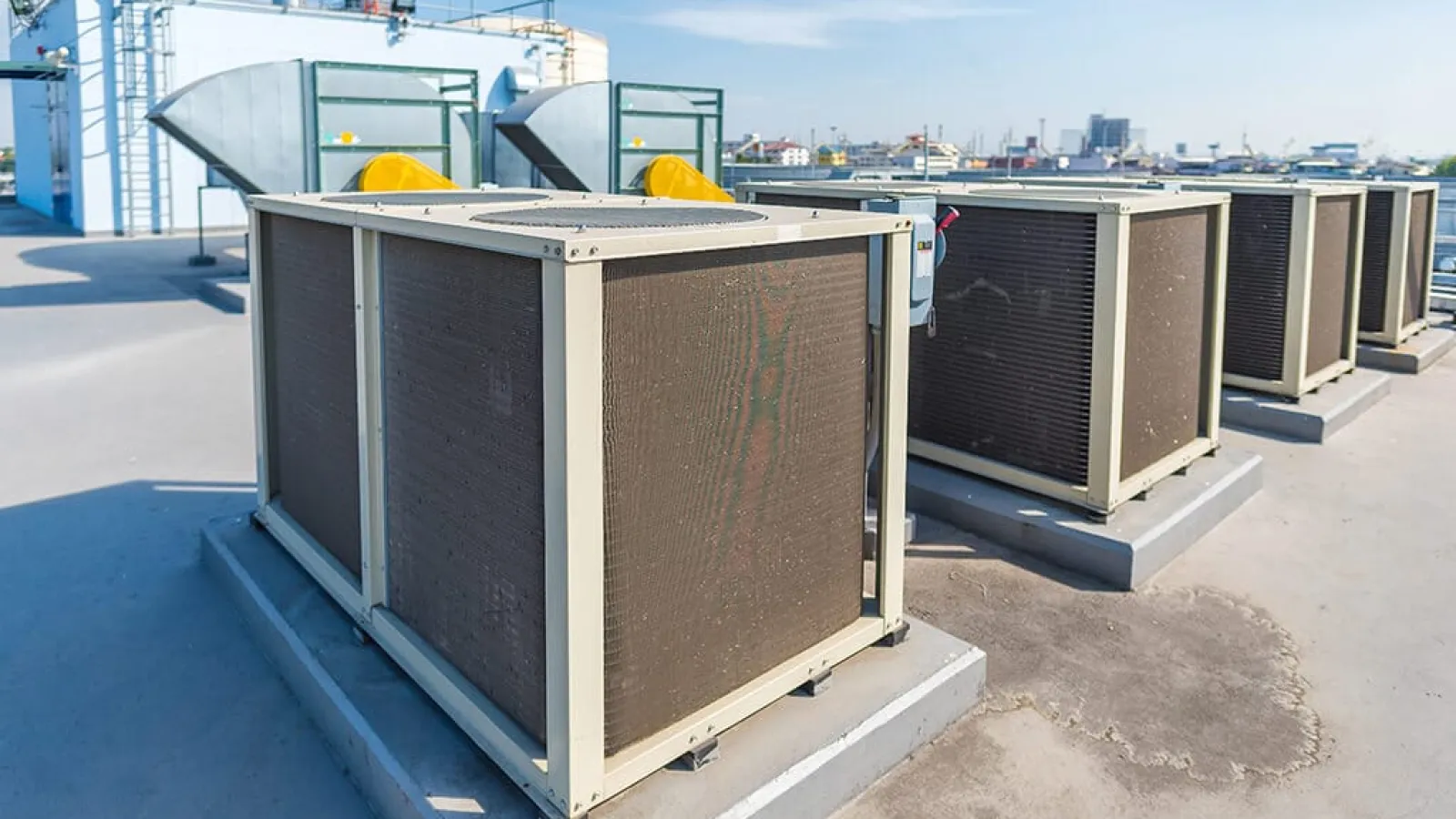
Grease contamination management is the primary maintenance discipline for any Little Rock restaurant property. Chili's kitchen exhaust systems run at high volume throughout service hours, and the grease-laden vapors that escape through rooftop exhaust fans settle in a zone extending outward from the exhaust stack in the prevailing wind direction. In Little Rock, where prevailing winds have a southerly component in summer and a northerly component in winter, the contamination footprint on the roof shifts seasonally. This shifting pattern means that the grease-resistant membrane zone should extend to a ten-foot radius around each exhaust termination rather than being positioned based on a single-season wind assumption.
Type I hood compliance is non-negotiable for any Little Rock restaurant with a commercial cooking operation. NFPA 96, the Standard for Ventilation Control and Fire Protection of Commercial Cooking Operations, governs hood construction, exhaust rate, grease filter requirements, and fire suppression integration. The roofing contractor's responsibility is to ensure that the roof penetrations serving the compliant exhaust system are properly flashed and that the exhaust system's grease management function, specifically, the grease drain path from hood to rooftop grease trap, does not deposit grease on the membrane in unprotected areas.
Hail risk in Pulaski County affects restaurant properties the same way it affects any commercial building, but restaurants face an additional operational consequence: a significant hail event during the dinner rush requires the restaurant to continue operating under a roof that may have just been perforated. Emergency tarping and immediate post-storm inspection should be part of every Little Rock restaurant operator's emergency response protocol. If the roof is actively leaking into a kitchen or dining room, the Arkansas Department of Health's environmental health standards may require temporary closure until the leak is repaired.
Ice storm damage on Little Rock restaurant properties has been documented after events like the 2021 winter storms that affected much of the South. Ice accumulating on kitchen exhaust fans can exceed the motor torque available to restart the equipment after a shutdown, creating a situation where the restaurant attempts to open for service but cannot operate its kitchen exhaust system, an immediate NFPA 96 compliance issue. Exhaust fan motors and enclosures should be rated for ice load conditions if the restaurant operates through Arkansas winters, which every full-service chain location does.
HVAC cycling at a casual dining restaurant like Chili's creates a specific pattern of thermal stress on the roof membrane that is different from retail or office buildings. The kitchen exhaust system runs continuously during service hours and then shuts down, creating repeated cycles of high and low pressure at roof penetrations. This cycling tests the performance of penetration seals more aggressively than the steady-state conditions that most penetration flashing systems are designed for. Close inspection of penetration seals at all HVAC curbs and exhaust fan bases after the first full year of operation on a new or re-roofed system often reveals gaps that were not apparent at installation.
Fire suppression system maintenance affects roofing performance at Little Rock restaurant properties. When suppression system inspection reveals that the agent storage vessel on the roof needs replacement or the suppression line requires service, the penetration flashing at the suppression line exit is disturbed. If the roofing contractor and the fire protection contractor do not coordinate this work, the suppression line penetration, which is typically one of the smaller and less visible penetrations on the roof, ends up with a compromised flashing that leaks into the ceiling above the cooking line during the next rain event.
Planning Questions
What decides the right restaurant and food service building roofing path?
The roof assembly, leak history, drainage, access, rooftop equipment, and operating risk below the roof all shape the recommendation.
Can work be phased around occupied spaces?
Yes. The scope should identify tenant-sensitive areas, daily dry-in expectations, access routes, and weather limits before production starts.
What documentation should ownership expect?
Photo records, repair notes, roof-area observations, product information when applicable, and a clear summary of remaining roof risks.