
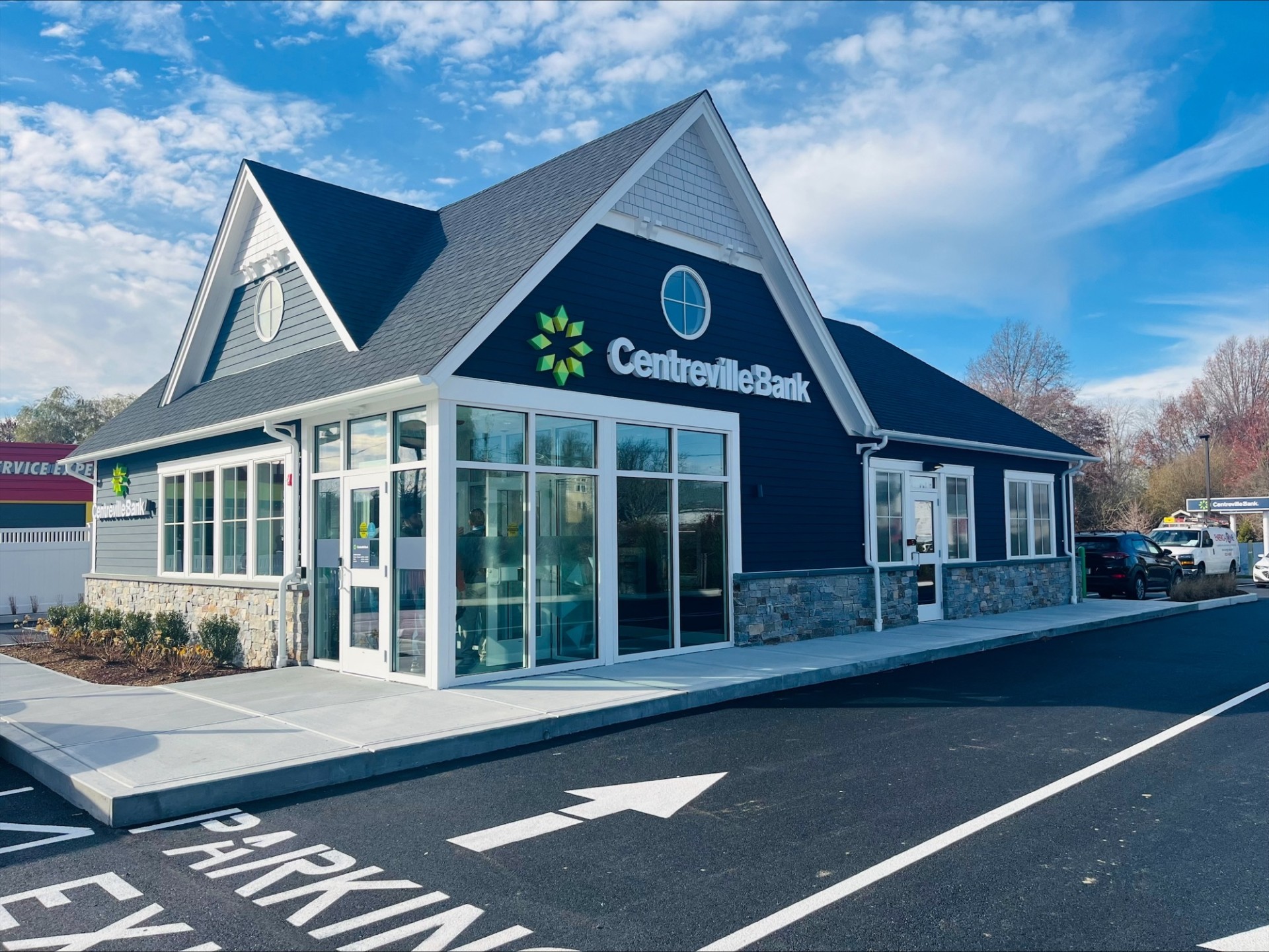
Bank & Financial Building Roofing work starts with verified roof conditions, clear repair limits, and a practical decision path for the building owner.
Bank & Financial Building Roofing roof scope
Bank roofs are small, but they are not simple. A typical branch is a compact flat roof on a high-visibility corner with a drive-through canopy hanging off one side, sensitive operations directly below, and a brand that cannot afford to look neglected. Little Rock has a dense concentration of these buildings, the Financial Centre Parkway and Shackleford Road corridor in West Little Rock reads almost like a banking row, downtown carries the corporate towers and headquarters operations, and branches dot every retail node from Cantrell to University to the Chenal growth area. Across all of them the same pattern holds: the roof area is modest, the consequences of a leak are not, and the work has to happen without interrupting a building full of customers and money.
What sits under a bank roof is the reason scope discipline matters. Vault areas, server and network rooms, and customer-facing floors do not tolerate water. A leak that would be a nuisance over a warehouse is an emergency over a server room or a teller line, so on a financial building we treat even a small roof with the same rigor we would a far larger one, and we pay particular attention to the things that actually fail on these buildings.
The single most reliable leak source on a retail bank branch is not the field of the roof: it is the drive-through canopy and the joint where it ties into the building wall. That connection lives a hard life: constant thermal cycling as the metal canopy heats and cools, overspray and runoff from the lanes, and slow differential settlement between a light canopy structure and the heavier main building. Standard retail flashing details are not built to take that movement year after year, and they let go. We evaluate the canopy roof and its wall transition as a separate scope item on every bank, and where it has deteriorated we rebuild it with a detail designed for the differential movement instead of folding it into a field membrane replacement that leaves the real problem in place.
A small bank roof is often surprisingly busy. Beyond the canopy you have ATM and kiosk enclosures, generator and transfer-switch rooms venting through the roof, and precision cooling units for the server room, each one a curb and a flashing detail. We inventory every penetration and curb height during the survey, build flashing into the scope for each, and bring curbs up to warranty height where older details fall short, so the new membrane is actually warrantable rather than just installed.
Financial buildings carry access requirements most commercial properties do not. Contractor badging, escorts for vault-adjacent areas, and camera documentation of contractor activity are routine at bank-owned property in Little Rock. None of that is a surprise to us. We build the security coordination timeline and crew credentialing into the bid up front, identify vault and secure-room locations from the drawings before mobilization, and sequence those roof zones during approved windows so nothing on the secure side of the building is disrupted by vibration or temporary access changes. These are baseline conditions of the work, not extras that surface after the contract is signed.
Branches run Monday through Saturday with customers in the lobby and at the drive-through, so we concentrate active tear-off and installation into off-hours and weekends and confirm dry-in before the doors open each morning. We coordinate work windows, noise limits during service hours, and roof-access escort requirements with the branch manager and corporate facilities. The building has to look composed and stay open while we work, and on a high-visibility corner that is part of the job.
For most branches a 60-mil TPO membrane over insulation, with a tapered layer where drainage needs correcting, is the workhorse specification. On sound existing assemblies that are simply weathering, an acrylic or silicone restoration coating can be the right call to extend service life without a full tear-off and the disruption that comes with it, and we will tell you honestly which path the roof actually warrants. Whatever the assembly, the small footprint gets a clean, watertight, presentable result.
Planning Questions
What decides the right bank & financial building roofing path?
The roof assembly, leak history, drainage, access, rooftop equipment, and operating risk below the roof all shape the recommendation.
Can work be phased around occupied spaces?
Yes. The scope should identify tenant-sensitive areas, daily dry-in expectations, access routes, and weather limits before production starts.
What documentation should ownership expect?
Photo records, repair notes, roof-area observations, product information when applicable, and a clear summary of remaining roof risks.