
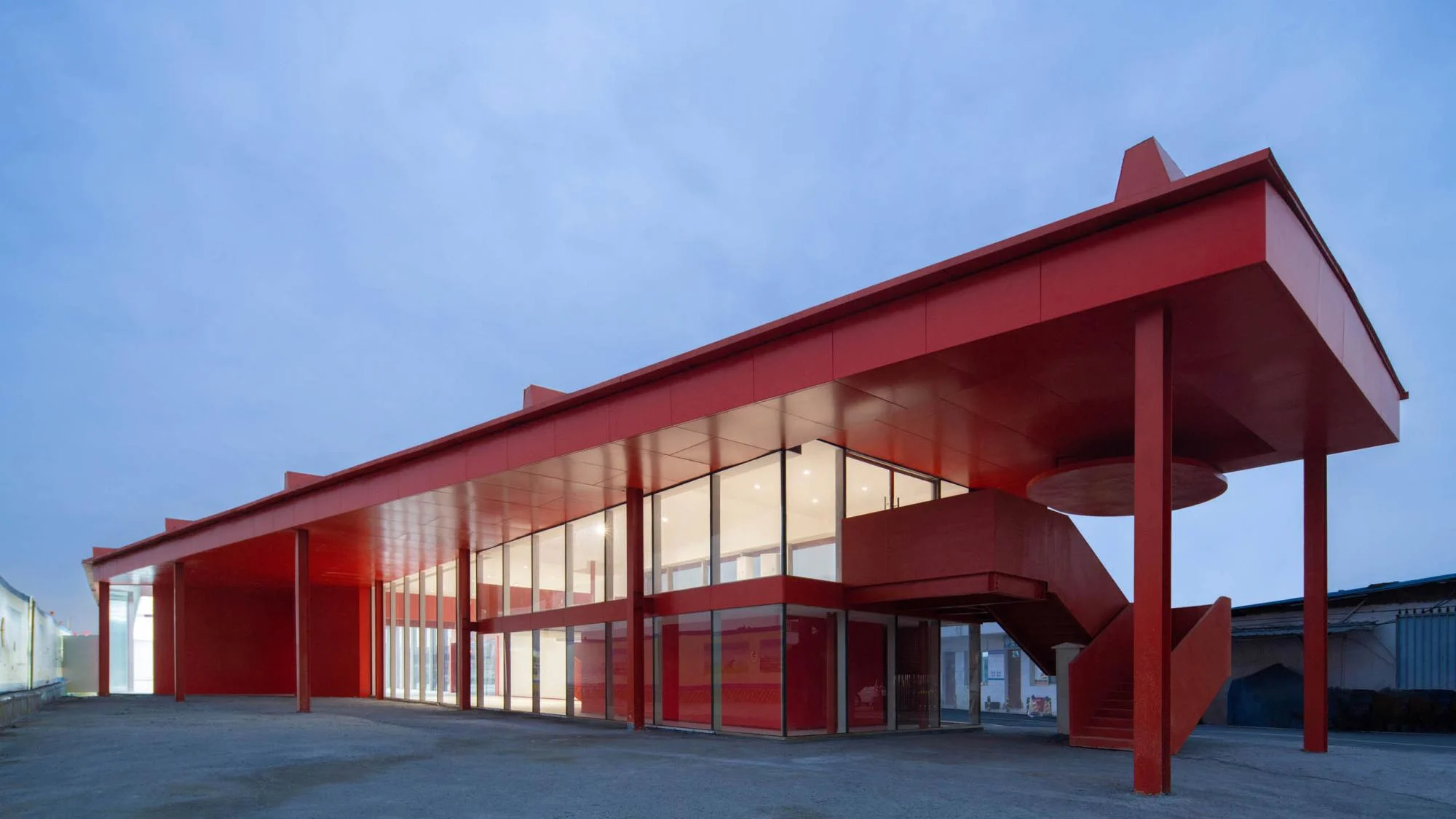
Auto Dealership Roofing work starts with verified roof conditions, clear repair limits, and a practical decision path for the building owner.
Auto Dealership Roofing roof scope
Landers Automotive Group is one of Arkansas's largest dealer groups, with multiple franchises across the Little Rock market including its prominent showroom and service complex on Colonel Glenn Road. A Landers facility is an operational city block under a single roof, new vehicles, certified pre-owned inventory, a parts warehouse, a service department processing dozens of vehicles daily, and a customer waiting lounge that must remain comfortable regardless of what is happening on the roof above. Getting the roofing right on a property like this is not a facilities management afterthought; it is a core business operations requirement.
Showroom waterproofing at a Little Rock auto dealership demands attention to the penetration density that is characteristic of modern dealership design. Lighting drops for showroom display lighting, HVAC supply and return penetrations, fire suppression system lines, and audio-visual infrastructure all require roof penetrations that must be individually flashed and maintained. Any one of these penetrations that is improperly flashed or whose flashing has deteriorated becomes a risk to the vehicles and displays below. Penetration inventories and photographic documentation of all flashings should be maintained as a standard operating procedure.
Hail is a recurring and serious threat for Little Rock dealerships. Outdoor vehicle inventory is the most visible hail victim, but roofing damage is simultaneous and often larger in aggregate value. A two-inch hailstone hitting a flat membrane roof at terminal velocity can puncture standard 45-mil single-ply systems and crack polycarbonate skylight panels. Arkansas dealerships should specify FM 4473 Class 4 impact-resistant membranes and laminated or tempered glass skylights as baseline specifications. The insurance premium adjustments available for impact-rated roofing on high-value commercial properties in the state are substantial.
Skylights in Little Rock dealership showrooms must be specified to handle Arkansas's temperature range, from near-zero winter lows to 100-degree summer highs, while maintaining their seal integrity and transmittance. Polycarbonate panels are lightweight and impact-resistant but discolor significantly in the Arkansas sun over 8 to 12 years. Laminated glass provides superior long-term optical performance and can be specified in impact-resistant configurations that satisfy both hail and safety glazing requirements. Skylight replacement should be coordinated with a full re-roofing project rather than scheduled independently.
Service department roofing on a Landers-scale facility in Little Rock spans large bay areas with dense penetration patterns from exhaust extraction, compressed air, and HVAC systems. These areas also receive the most foot traffic from service technicians and parts staff accessing rooftop equipment, making walkway pad placement and OSHA-compliant roof access a design consideration rather than an afterthought. Walkway pads must be installed on routes from all roof access hatches to all rooftop equipment locations, and they must be maintained in position, a displaced walkway pad is a membrane puncture waiting to happen.
Occupied operations at a Little Rock dealership mean that roofing work proceeds under the constant presence of vehicle movements, customer arrivals, and service bay activity. Tear-off debris management is critical: asphalt granules, insulation boards, and membrane scraps cannot be allowed to contact vehicle surfaces or enter air handling equipment. Perimeter containment netting, staged debris removal, and end-of-day cleanup requirements should all be written into the contractor's scope of work rather than left to verbal assurances.
Ice storm risk in Little Rock is meaningfully different from markets further south. The 2021 winter storm that left many Arkansas commercial properties without power for days simultaneously deposited ice on rooftops across the region. Dealership roof structures that had not been assessed for ice load capacity were at risk of structural distress in that event. A structural review of ice load capacity is appropriate for any Little Rock dealership building that has not been assessed recently, particularly if the facility has added rooftop HVAC equipment since original construction.
Planning Questions
What decides the right auto dealership roofing path?
The roof assembly, leak history, drainage, access, rooftop equipment, and operating risk below the roof all shape the recommendation.
Can work be phased around occupied spaces?
Yes. The scope should identify tenant-sensitive areas, daily dry-in expectations, access routes, and weather limits before production starts.
What documentation should ownership expect?
Photo records, repair notes, roof-area observations, product information when applicable, and a clear summary of remaining roof risks.