
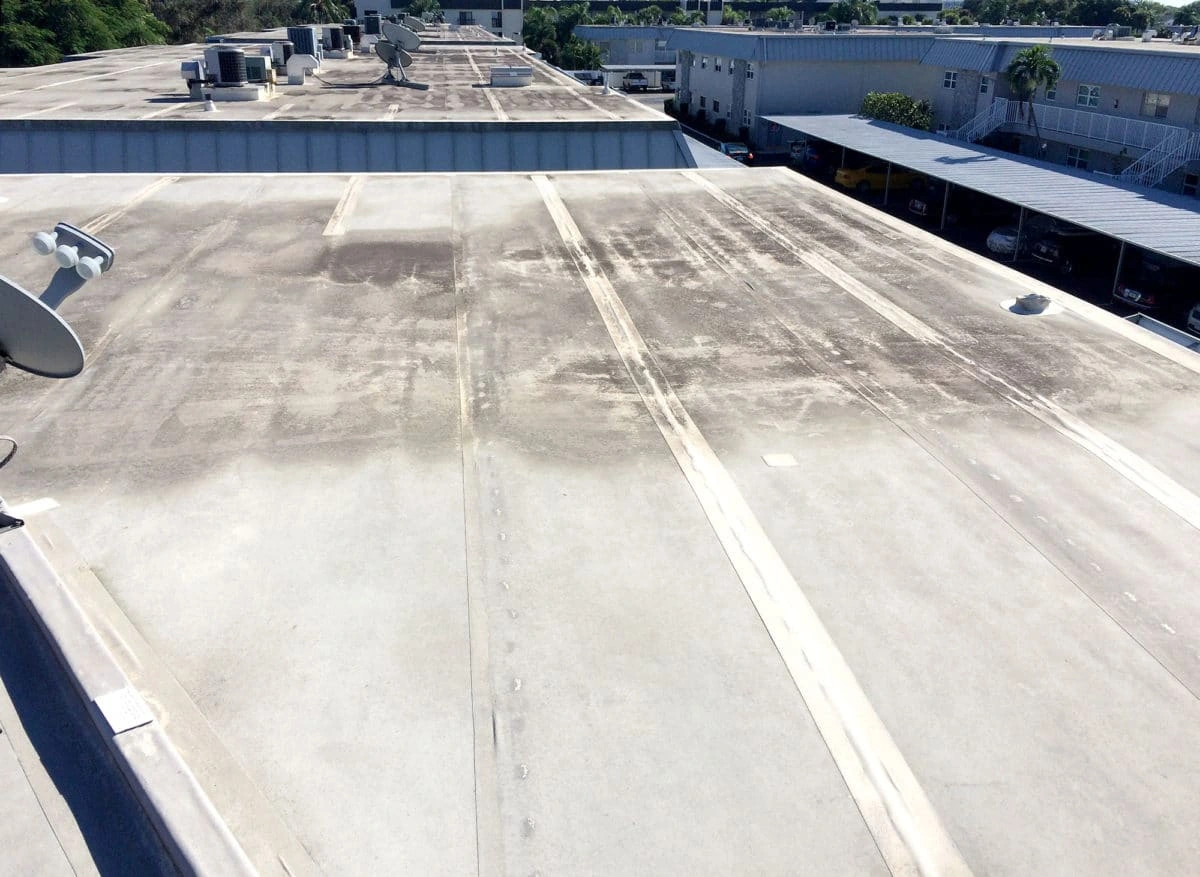
KEE Single-Ply Roofing work starts with verified roof conditions, clear repair limits, and a practical decision path for the building owner.
KEE Single-Ply Roofing roof scope
A kee single-ply roofing request in Little Rock usually starts with a business problem inside the building. For KEE Single-Ply Roofing, we identify the buyer, the roof condition, the leak history, and the operating risk before membrane brand or square-foot price becomes the main conversation. facility managers, building owners, property managers, and capital planners need a KEE Single-Ply Roofing scope that explains what is failing, what can be repaired, and what the next decision costs.
The first walk for KEE Single-Ply Roofing is practical: roof access, deck type, drainage, curbs, wall transitions, previous repairs, interior leak locations, and tenant-sensitive areas below the roof. On KEE Single-Ply Roofing work, we separate maintenance items from capital items and keep photo evidence organized by roof area. The KEE Single-Ply Roofing file also notes wet insulation below older patch work, because that is one common way a small Central Arkansas roof defect becomes an interior damage problem.
For KEE Single-Ply Roofing, the first local planning point is this: The River Market, Main Street, SOMA, East Village, Quapaw Quarter, Hillcrest, and The Heights all create different commercial roof constraints because older buildings, restaurants, medical offices, and public-facing tenants share the same roof market. That matters on KEE Single-Ply Roofing work because buildings near Hillcrest, The Heights, Midtown, Riverdale, and Rodney Parham do not share the same loading, access, tenant, and inspection constraints. We write those KEE Single-Ply Roofing constraints into the scope so ownership can compare bids on actual field conditions instead of broad sales language.
For KEE Single-Ply Roofing, the second local planning point is this: The National Weather Service Little Rock office is the right local weather reference for severe thunderstorm, hail, high-wind, tornado, heavy-rain, and heat exposure planning. For KEE Single-Ply Roofing, this affects the schedule, staging, inspection expectations, and the amount of documentation needed before the roof is opened. We prefer to identify permit, product, and sequencing questions early, especially when the KEE Single-Ply Roofing scope touches tapered insulation.
For KEE Single-Ply Roofing, the third local planning point is this: Industrial roofs around the Port of Little Rock, East Little Rock, College Station, and Fourche Dam need extra attention to penetrations, exhaust, corrosion, security, and daily dry-in rules. Severe thunderstorm, hail, wind, heat, and heavy-rain exposure are not abstract issues on KEE Single-Ply Roofing projects; they affect perimeter securement, temporary dry-in rules, drain capacity, and daily production windows. We call those KEE Single-Ply Roofing items out in the estimate so a lower number does not hide a weaker scope.
For KEE Single-Ply Roofing, the fourth local planning point is this: The City of Little Rock Planning and Development Department handles planning, zoning, permits, inspections, and development review, so commercial roof replacement scopes should be written with permit path and closeout records in mind. For KEE Single-Ply Roofing as service work, the useful question is how the local fact changes field execution. On occupied roofs during KEE Single-Ply Roofing, the answer is often phased sequencing, daily dry-in checkpoints, and a closeout file that records what was installed, repaired, or deferred.
The roof system is only one part of a KEE Single-Ply Roofing scope. For KEE Single-Ply Roofing, we also review insulation, recovery board, existing penetrations, rooftop mechanical units, hatch access, lightning protection, drain strainers, overflow paths, and deck condition where it can be verified. Those KEE Single-Ply Roofing details decide whether recover, tear-off, restoration, coating, or targeted repair is credible.
Planning Questions
What budget factors move a kee single-ply roofing proposal the most?
The biggest drivers are tear-off depth, wet insulation, edge metal, deck repairs, rooftop equipment, staging limits, work-hour restrictions, and concealed damage. We separate those items in the KEE Single-Ply Roofing estimate.
Can kee single-ply roofing work happen while the building stays occupied?
Most commercial scopes can be phased around active operations, but the plan has to address noise, odors, debris, access, interior protection, and daily dry-in rules before the roof is opened.
How do Little Rock storms affect kee single-ply roofing planning?
Hail, high wind, heavy rain, and sudden thunderstorms change how we document damage, secure edges, stage materials, and decide whether temporary dry-in is needed before permanent work begins.
What documentation comes after kee single-ply roofing service?
We provide photos, repair notes, material information when applicable, closeout observations, and a plain-language summary of remaining roof risks.