
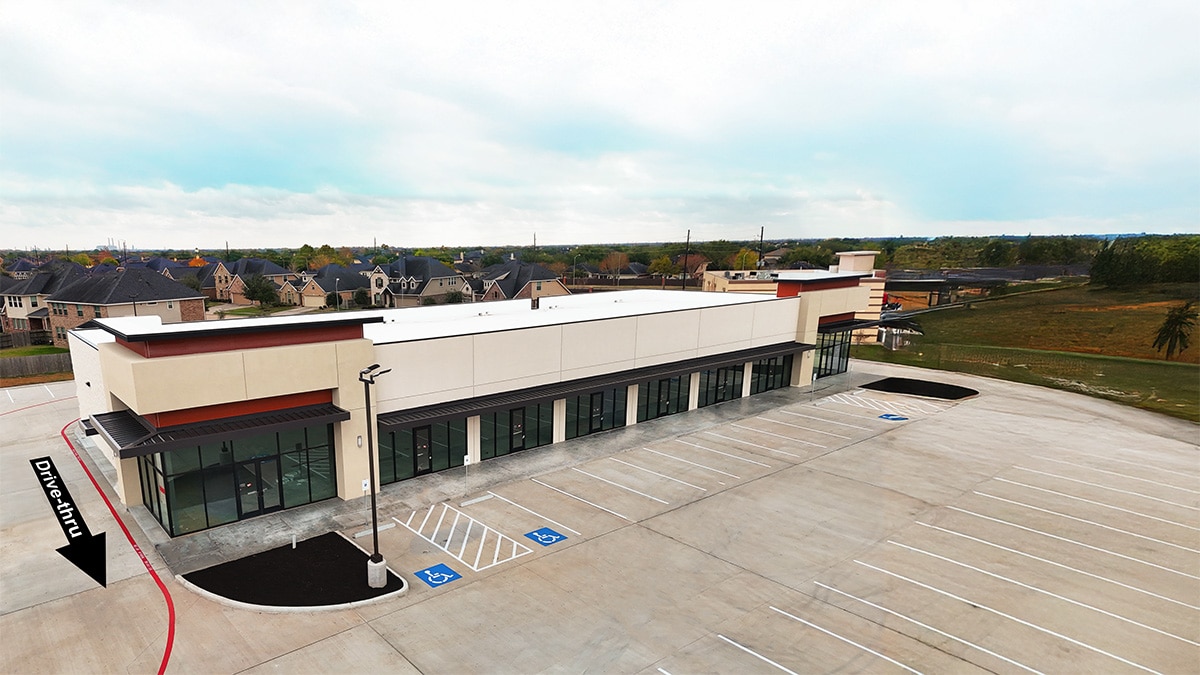
Retail and Shopping Center Roofing work starts with verified roof conditions, clear repair limits, and a practical decision path for the building owner.
Retail and Shopping Center Roofing roof scope
Little Rock's retail landscape spreads along a series of commercial corridors that have evolved from the Mid-Cities retail strip near the airport to the densely built zones along Chenal Parkway and the older shopping plazas clustered around Rodney Parham Road. Strip malls, power centers, and freestanding big-box stores all rely on flat and low-slope roofing systems that must withstand Arkansas's demanding climate, a cycle of oppressive summer heat, ice storms in January and February, and intense spring thunderstorms that can deposit several inches of rain in a single afternoon. Retail property owners in Little Rock who underinvest in their roofing systems inevitably face the compounding costs of tenant complaints, lease disputes, and accelerated structural deterioration.
The Chenal Parkway corridor, which anchors much of Little Rock's newer upscale retail development, is home to shopping centers whose flat roofs cover enormous square footages. Drainage engineering is the first line of defense for these properties. Interior drains and overflow scuppers must be sized to handle the 100-year storm events that Arkansas occasionally produces, and maintenance of those drain systems must be treated as a non-negotiable operational requirement. Standing water on a large retail roof doesn't just threaten the membrane: it adds structural load and can compromise steel deck panels over time. A comprehensive drain maintenance program, with annual inspections timed before the spring storm season, protects both the roof and the structural system beneath it.
TPO roofing systems dominate new retail construction in Little Rock, and the reasoning is straightforward. White or light-gray TPO membranes reflect a substantial portion of summer solar radiation, reducing cooling loads in a market where air conditioning costs can be significant for large anchor stores and inline retail tenants alike. Energy code compliance is increasingly important in Arkansas commercial permitting, and a properly specified TPO system with adequate insulation can support the landlord's case for energy efficiency with both local code officials and environmentally conscious national tenants. The seam welding process that bonds TPO sections together produces a waterproof joint stronger than the membrane itself when performed by a trained installer under proper temperature conditions.
Little Rock's ice storm history creates a roofing hazard that distinguishes it from most Southern markets. The city sits in a zone where winter weather systems occasionally deposit significant ice accumulation on rooftops, adding structural load and creating melt-refreeze cycles that stress penetration flashings and membrane edges. Retailers along the McCain Mall perimeter and the older strip centers near University Avenue have experienced roof damage following notable ice events. Post-storm inspections should be a standard response protocol for retail property managers, allowing prompt identification and repair of any membrane or flashing damage before the next precipitation event compounds the problem.
HVAC systems on Little Rock retail roofs represent a significant source of both penetration complexity and maintenance demand. The region's extended cooling season means rooftop units run for months at a time, accelerating wear on equipment curbs, condensate drain lines, and the membrane immediately surrounding each unit. A curb height of at least 8 inches above the finished membrane surface is the industry standard, but aging properties often have undersized or deteriorated curbs that allow water infiltration during heavy rain events. A pre-installation survey of every HVAC penetration, verifying curb height, flashing condition, and condensate routing, is an essential step before any re-roofing project on Little Rock commercial retail properties.
Retail brand standards are a practical reality for Little Rock landlords whose shopping centers include national tenants. Chains like those occupying anchor positions in Little Rock's power centers typically have prototype building specifications that govern everything from parapet heights to rooftop unit screening. When a national tenant renovates or expands their space, the lease may require the landlord to coordinate roofing work that meets both local code and the tenant's corporate facilities requirements. Establishing a clear scope of responsibility in the lease, specifying who coordinates the roofing contractor and who bears the cost of brand-compliant details, prevents the confusion that can delay projects and escalate expenses.
The older retail corridors in Little Rock, particularly the mid-century strip plazas along Asher Avenue and the South University Avenue commercial district, present a different roofing challenge than the newer Chenal Pavilion developments. Built-up roofing systems from earlier decades are frequently found on these properties, often with multiple layers of material from successive patch-and-recover projects over the years. When the aggregate weight of accumulated roofing layers approaches or exceeds the structural deck's design capacity, a full tear-off and replacement is the only responsible path forward. An experienced structural and roofing assessment prior to any work helps Little Rock landlords understand what they're dealing with and plan accordingly.
Planning Questions
What decides the right retail and shopping center roofing path?
The roof assembly, leak history, drainage, access, rooftop equipment, and operating risk below the roof all shape the recommendation.
Can work be phased around occupied spaces?
Yes. The scope should identify tenant-sensitive areas, daily dry-in expectations, access routes, and weather limits before production starts.
What documentation should ownership expect?
Photo records, repair notes, roof-area observations, product information when applicable, and a clear summary of remaining roof risks.